Multi-Dimensional, Multi-Model Approach
Treatment plan focused on your specific needs
Our program integrates evidence-based trauma therapies and experiential modalities that support healing across the cognitive, emotional, relational, and somatic dimensions of experience.
Our approach includes:
EMDR (Eye Movement Desensitization and Reprocessing)
Sensorimotor Psychotherapy
Experiential Psychotherapy
Experiential group therapy
Somatic Movement
DBT
CBT
Family systems/Parts Work
Psychiatric
Nutritional evaluation
Art as a therapeutic process
Biofeedback
Equine-assisted therapy
Aikido-based movement and stability practices
Together, these approaches create a comprehensive therapeutic experience designed to support meaningful and lasting change.
The Karuna House Intensive offers a focused clinical immersion that provides extended therapeutic time for participants to engage in deep psychological work. Led by a professionally trained and compassionate clinical team, including certified EMDR therapists and Sensorimotor® trained practitioners, this immersive format allows individuals, couples, and families to explore experiences, patterns, and relational dynamics with a level of continuity and depth that is often difficult to achieve in traditional weekly therapy.
What Sets this Experience Apart
❋ Clinical Immersion, providing 65+ hours of structured therapeutic engagement❋ 10+ hours dedicated to experiential therapy- sound bath, equine therapy, and art as a therapeutic process❋ Transformation through deeper therapeutic exploration and insight❋ Nervous system regulation and stabilization❋ Meaningful breakthroughs that can accelerate healing❋ Integration of emotional, cognitive, and somatic experiencesThrough sustained therapeutic engagement within a structured and supportive environment, participants are supported in developing greater awareness, stability, and the capacity for meaningful and lasting change.
“There is a difference between thinking about riding a bicycle, talking about riding a bicycle and actually riding a bicycle. Each experience is distinct. This intensive gave me the chance to think, speak and act. I found it very meaningful to be able to talk about painful memories, current challenges, and complete exercises that helped me have a new experience with myself and other people. I gained strength in compassion for myself while also holding myself accountable that allowed me to live more comfortably in ways that fit my values without fear of unnecessary guilt, shame or rejection.”
-Stephany, Former Group Therapy Participant
Concerns We Address
-
Persistent sadness, emotional exhaustion, or chronic worry often have deeper roots in unresolved experiences or nervous system dysregulation. Intensive therapy allows us to work more directly with these underlying patterns.
-
Early childhood experiences that continue to influence present-day perception, affect regulation, and attachment behaviors. Often outside of conscious awareness and negatively impact current relationships and self-perception.
-
Prolonged, repeated exposure to physical and emotional abuse during childhood that continues to negatively influence present-day mood, stress responses, and overall emotional functioning.
-
Accidents, falls, surgeries, and medical complications can alter how a person experiences their body, often leading to shifts in their sense of safety, identity, and functioning. These experiences can significantly impact emotional well-being, nervous system regulation, and how one engages with the world.
-
This occurs when trust is violated within significant relationships, disrupting an individual’s sense of safety, connection, and self-worth. These experiences can impact not only the relationship in which the betrayal occurred, but also other relationships and how a person understands and makes meaning of themselves.
-
Loss is a natural part of the human experience. At times, however, grief and loss can feel overwhelming and exceed one’s capacity to cope, affecting physical, mental, emotional, and spiritual well-being.
-
Many compulsive behaviors emerge as attempts to cope with overwhelming emotions or unmet relational needs.
These may include:
Substance or alcohol misuse
Sex or love addiction
Gambling
Workaholism
Eating disorders
Compulsive exercise
Other repetitive or high-risk coping strategies
Through integrative trauma therapy, we gently explore the emotional and somatic drivers beneath these patterns and support the development of healthier ways of regulating and relating.
-
When addiction or trauma affects a relationship, partners and families often carry deep emotional wounds. Karuna House Intensives can create space to process betrayal, grief, and relational pain while beginning the work of rebuilding trust, safety, and connection.

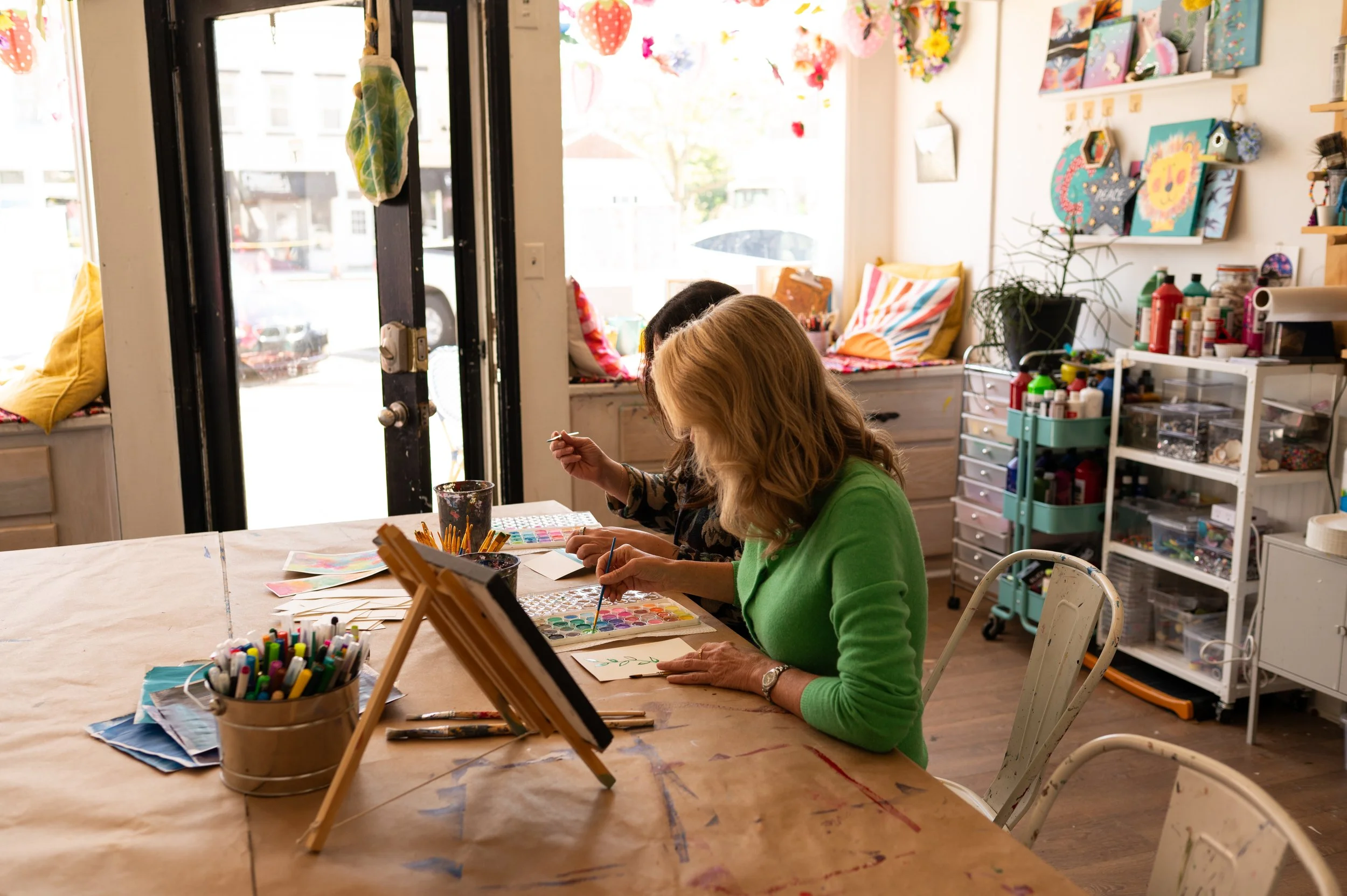
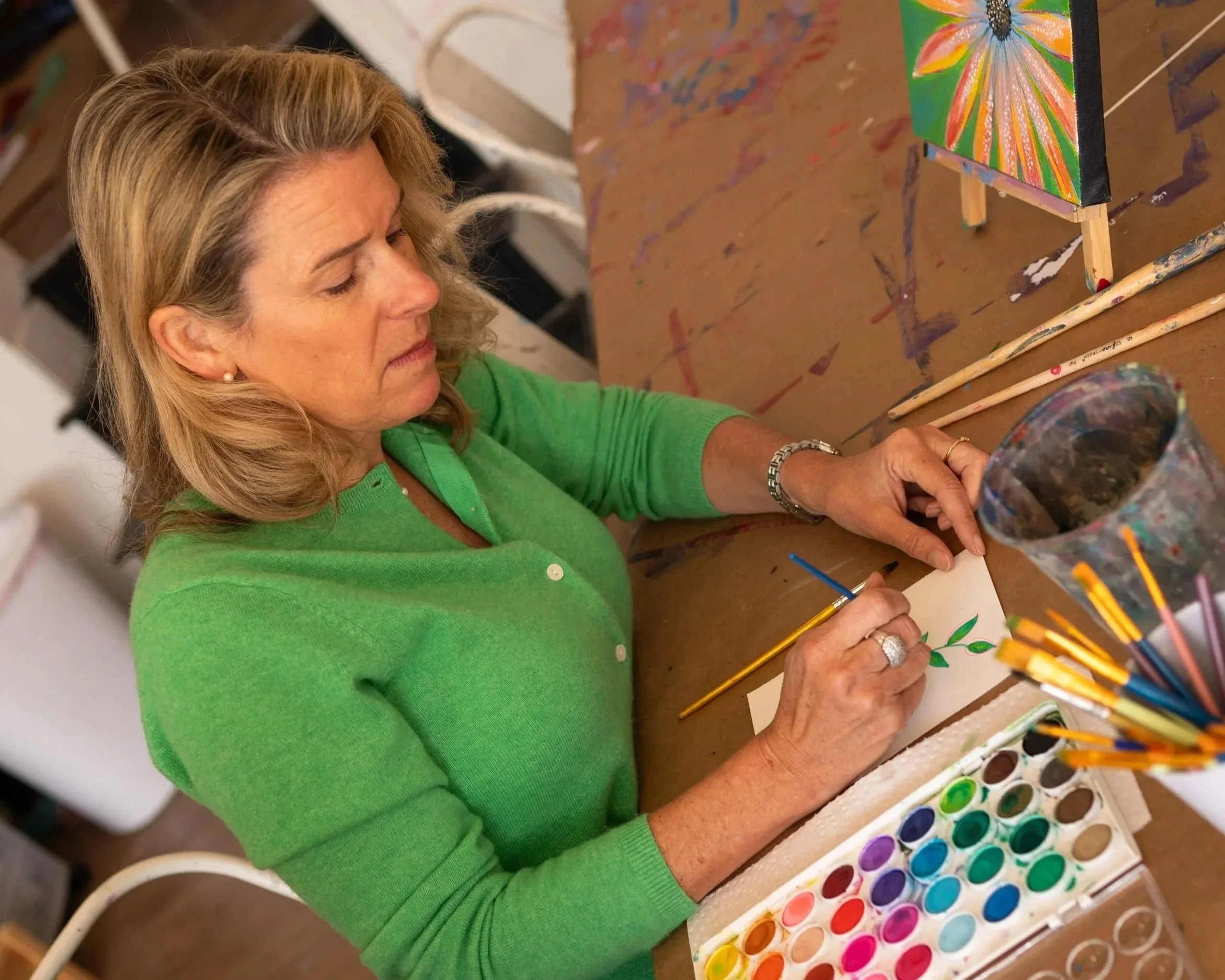
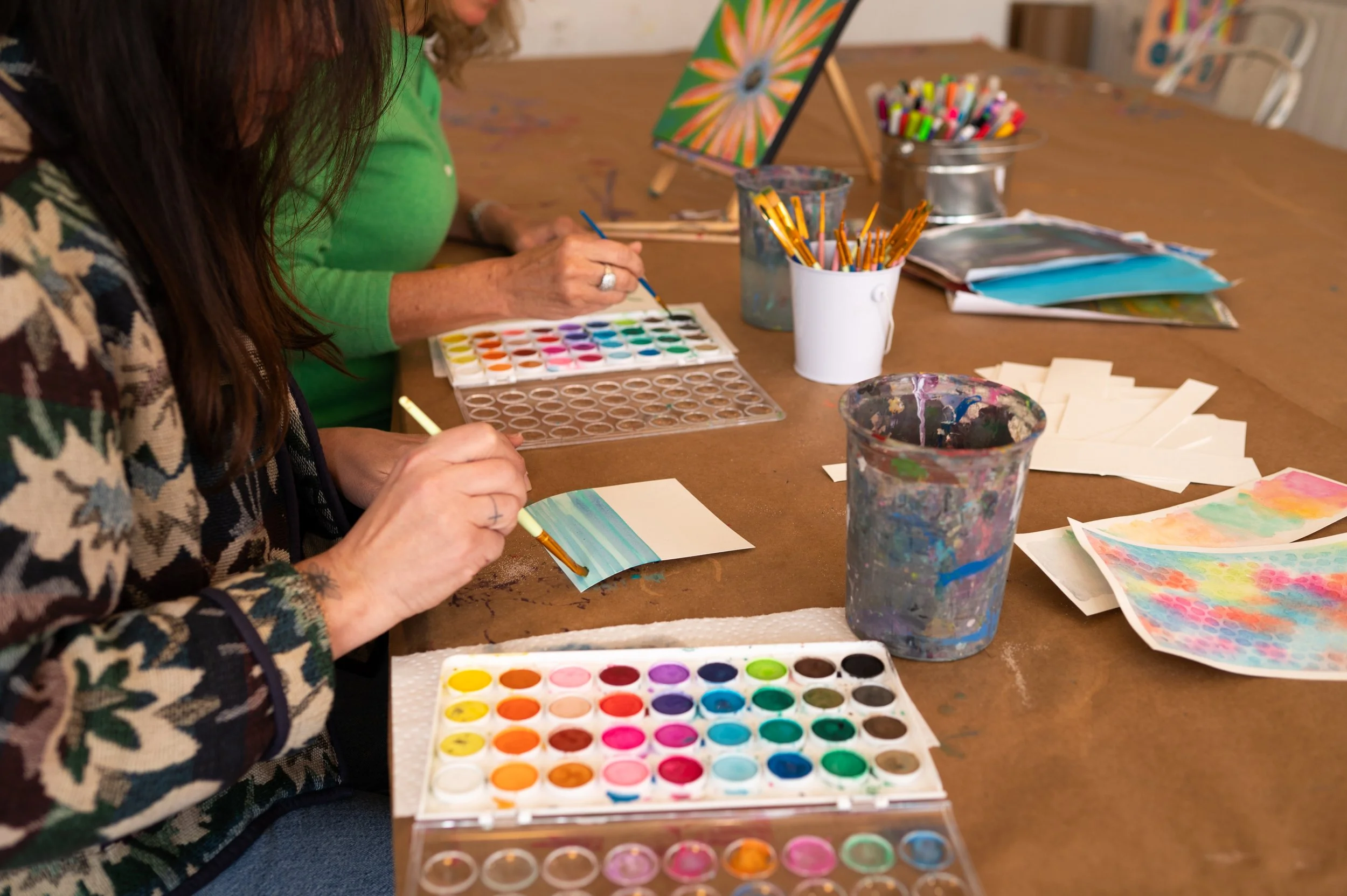
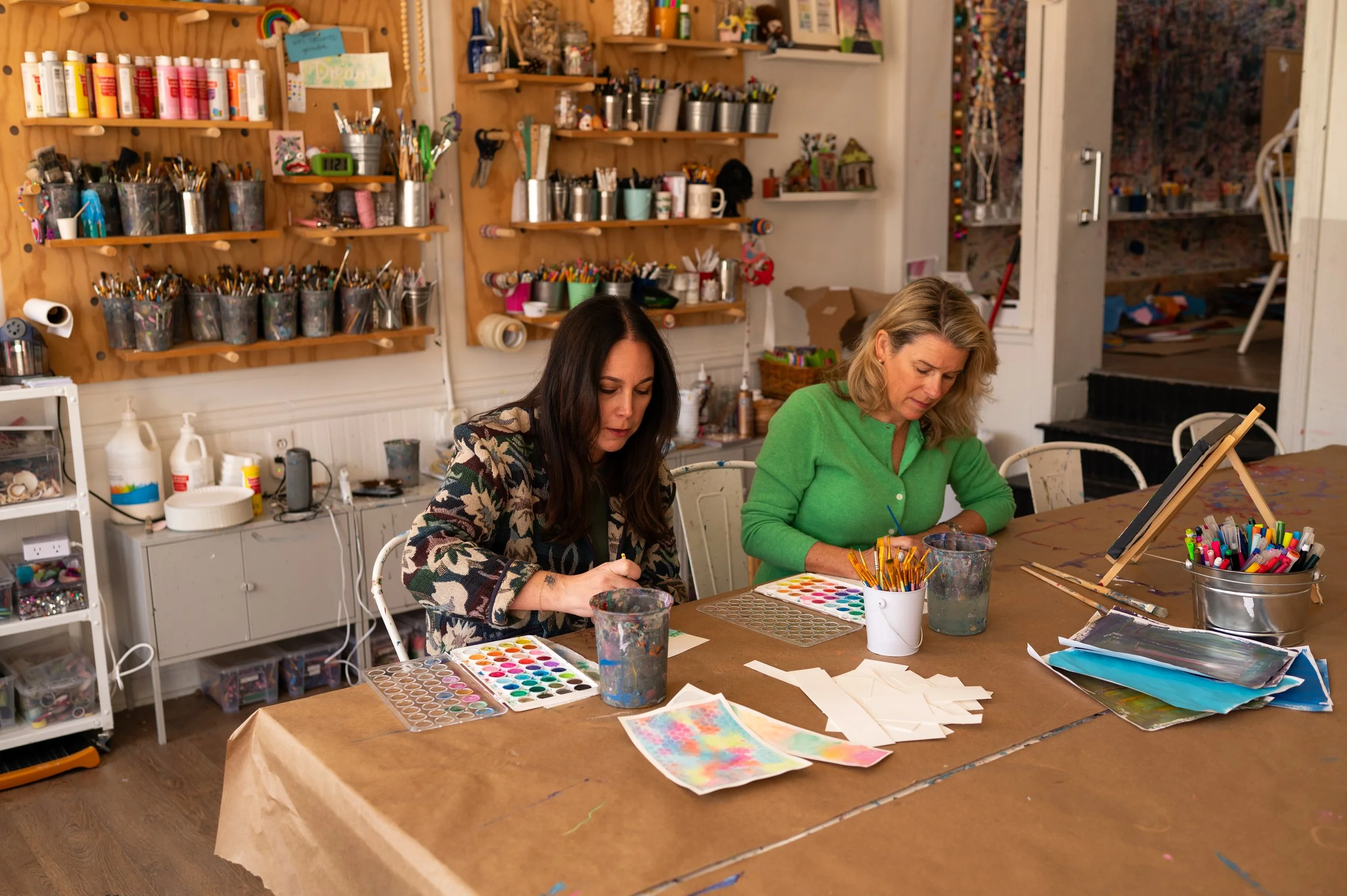
As part of our intensive programs, Karuna House partners with Create Art Studio and Workshop to incorporate expressive arts into the healing process. Expressive art offers a powerful pathway for self-exploration, emotional expression, and integration by engaging creativity in ways that often reach beyond words alone.
Through creative modalities such as painting, collage, movement, writing, and other experiential practices, participants are invited to process emotions safely, explore unconscious patterns, and reconnect with parts of themselves that may feel wounded, silenced, or disconnected. These experiences can support nervous system regulation, deeper insight, and embodied healing throughout the intensive journey.
No artistic experience is necessary. The focus is not on artistic ability or performance, but on the process itself, allowing creativity to become a bridge between inner experience and meaningful transformation. By weaving expressive arts into our intensives, we create space for healing that is intuitive, experiential, restorative, and deeply human.
Art as a Therapeutic Process
Begin the Conversation